


Everybody’s Free to Wear Sunscreen
Wear Sunscreen or the Sunscreen Speech are the common names of an essay actually called “Advice, like youth, probably just wasted on the young” written by Mary Schmich and published in the (ad) Chicago Tribune as a column in 1997.
It reminds us to enjoy the life we have now, worry less about what we cannot control, value the people who matter and remember that nobody has everything figured out.
 Whether you’re young, older or somewhere in between, there is wisdom here to carry into your own life. Read it with an open mind and consider which ideas are worth putting into practice.
Life Advice by Mary Schmich
If I could offer you only one tip for the future, sunscreen would be it. The long-term benefits of sunscreen have been proved by scientists, whereas the rest of my advice has no basis more reliable than my own meandering experience. I will dispense this advice now.
Enjoy the power and beauty of your youth. Oh, never mind. You will not understand the power and beauty of your youth until they’ve faded. But trust me, in 20 years, you’ll look back at photos of yourself and recall in a way you can’t grasp now how much possibility lay before you and how fabulous you really looked. You are not as fat as you imagine.
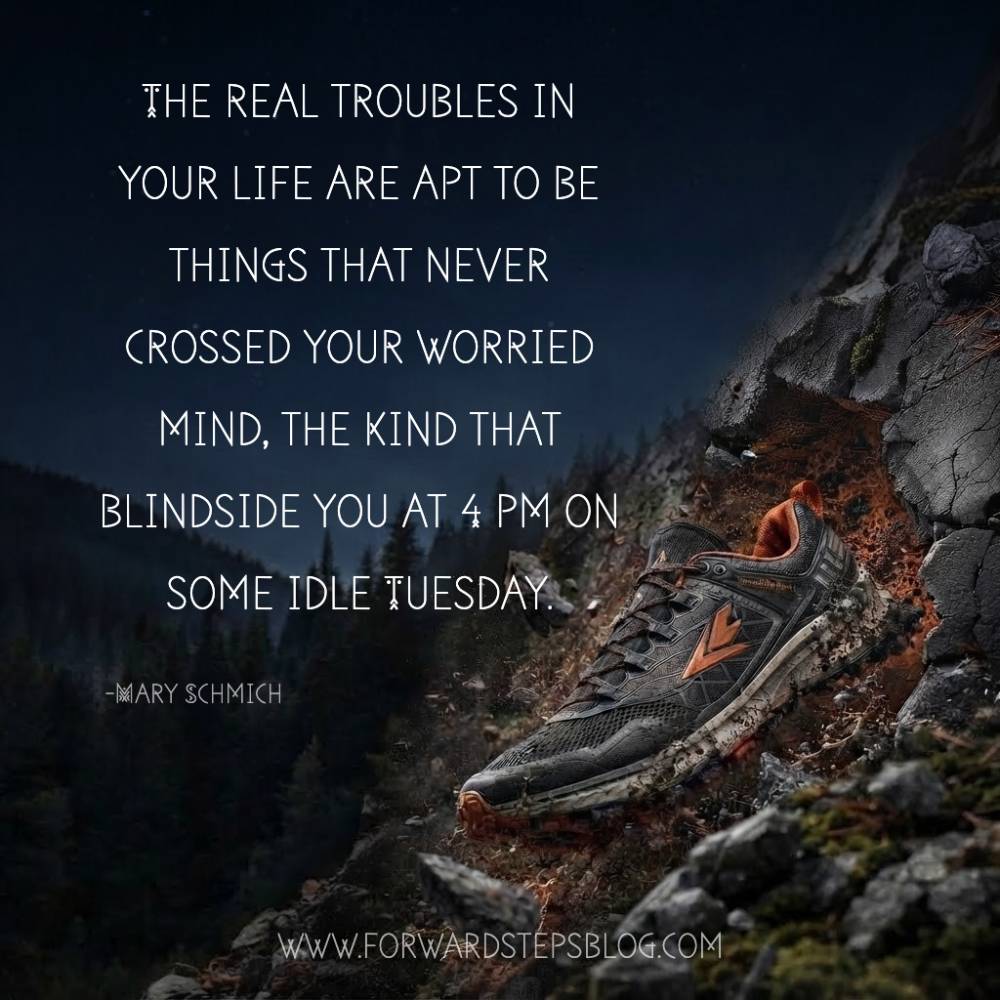
Don’t worry about the future. Or worry, but know that worrying is as effective as trying to solve an algebra equation by chewing bubble gum. The real troubles in your life are apt to be things that never crossed your worried mind, the kind that blindside you at 4 pm on some idle Tuesday.
Do one thing every day that scares you.
Sing.
Don't be reckless with other people's hearts. Don't put up with people who are reckless with yours Share on XFloss.
Don’t waste your time on jealousy. Sometimes you’re ahead, sometimes you’re behind. The race is long and, in the end, it’s only with yourself.
Remember compliments you receive. Forget the insults. If you succeed in doing this, tell me how.
Keep your old love letters. Throw away your old bank statements.
Stretch.
Don't feel guilty if you don't know what you want to do with your life Share on XThe most interesting people I know didn’t know at 22 what they wanted to do with their lives. Some of the most interesting 40-year-olds I know still don’t.
Get plenty of calcium. Be kind to your knees. You’ll miss them when they’re gone.
Maybe you’ll marry, maybe you won’t. Maybe you’ll have children, maybe you won’t. Maybe you’ll divorce at 40, maybe you’ll dance the funky chicken on your 75th wedding anniversary.
Whatever you do, don’t congratulate yourself too much, or berate yourself either.
Your choices are half chance. So are everybody else's. Share on XEnjoy your body. Use it every way you can. Don’t be afraid of it or of what other people think of it. It’s the greatest instrument you’ll ever own.
Dance, even if you have nowhere to do it but your living room.
Read the directions, even if you don’t follow them.
Do not read beauty magazines. They will only make you feel ugly.
 Get to know your parents. You never know when they’ll be gone for good. Be nice to your siblings. They’re your best link to your past and the people most likely to stick with you in the future.
Understand that friends come and go, but with a precious few you should hold on. Work hard to bridge the gaps in geography and lifestyle, because the older you get, the more you need the people who knew you when you were young.
Live in New York City once, but leave before it makes you hard. Live in Northern California once, but leave before it makes you soft. Travel.
Accept certain inalienable truths: Prices will rise. Politicians will philander. You, too, will get old. And when you do, you’ll fantasize that when you were young, prices were reasonable, politicians were noble and children respected their elders.
Respect your elders.
Don’t expect anyone else to support you. Maybe you have a trust fund. Maybe you’ll have a wealthy spouse. But you never know when either one might run out.
Don’t mess too much with your hair or by the time you’re 40 it will look 85.
Be careful whose advice you buy, but be patient with those who supply it. Advice is a form of nostalgia. Dispensing it is a way of fishing the past from the disposal, wiping it off, painting over the ugly parts and recycling it for more than it’s worth.
But trust me on the sunscreen.
How to Put This Advice Into Practice
Mary Schmich’s advice touches on several parts of life that deserve our attention. Here are five ways to bring some of that wisdom into your own daily experience.
Value your own journey. It’s easy to measure your progress against someone else’s achievements, possessions or lifestyle. When that happens, consider how far you’ve come, what you’ve learned and what matters to you now. Your life doesn’t have to follow someone else’s timetable.
 Be willing to stretch yourself. Courage can take many forms. It might mean having an honest conversation, trying something unfamiliar or finally tackling a task you’ve been avoiding. Think of something you’d like to do and decide what would help you take that first step.
Nurture the people who matter. Relationships need attention, even when life gets busy. Send a message, make a phone call or arrange a catch-up with someone you value. A little effort can help maintain a connection that might otherwise drift into the background.
Allow your plans to evolve. What you wanted from life ten years ago may be quite different from what matters to you today. New experiences can change your priorities and open up possibilities you hadn’t considered. Give yourself permission to reconsider your direction when your circumstances or interests change.
Make space for enjoyment. Life involves responsibilities and challenges, yet it holds plenty of opportunities for pleasure, too. Listen to music you love, spend time with friends, enjoy the outdoors or return to an activity that makes you feel alive. These experiences are part of living well, not rewards you must earn after everything else is done.
Your Forward Step today
Which of these five ideas feels most relevant to your life right now? Choose one and think about how you could put it into practice. Perhaps there’s a conversation to have, a person to contact, a new experience to try or something you would like to approach differently.
Write down one action you could take and when you intend to do it. Giving an intention a practical shape makes it easier to move from thinking about change to doing something about it.
How Do You Put Good Life Advice Into Practice?
Good advice can be easy to agree with and harder to put into practice when everyday life gets complicated. This assessment explores how you tend to handle life's challenges, relationships, personal choices and opportunities to enjoy the present.
Explore This Idea Further
Optional prompts to help you make the ideas your own.
I use AI as a thinking companion, not as a replacement for my own thinking. These prompts are simply another way to explore the ideas in this article and see how they might apply to your own life.
You don’t have to use AI to benefit from them. You can copy a prompt into a notebook, write about it in your journal, talk it through with someone you trust or simply sit with the question and see what comes up for you. If you do use ChatGPT or another AI tool, treat its responses as a starting point for your own thinking.
You remain the person who decides what is useful and right for your life.
How to use these prompts: Choose the one that appeals to you, copy the complete prompt and paste it into ChatGPT or another AI tool. You can answer its questions and continue the conversation as you go.
1. Apply This To My Life
Use this prompt when you want to connect the article’s life lessons with your own circumstances, priorities and relationships.
I’ve just read the Forward Steps article “Everybody’s Free Life Advice by Mary Schmich.” Use that article as your primary source and help me identify which of its life lessons could be most valuable to me at this stage of my life.
Ask me a few relevant questions about my current circumstances, priorities, relationships or concerns. Then help me connect the article’s advice with my own experiences, whether that means worrying less about the future, valuing relationships, being comfortable with who I am, taking care of my health, making my own choices or accepting that some things in life are beyond my control.
Help me decide which advice fits my situation and why, including where I might benefit from looking at something differently. Keep your guidance grounded in the article rather than replacing its message with generic self-improvement advice. Build on my answers as we continue rather than giving me one large response and stopping.
2. Reflect More Deeply
Use this prompt when you want to explore which of the article’s life lessons challenge your assumptions or make you reconsider how you live.
I’ve just read the Forward Steps article “Everybody’s Free Life Advice by Mary Schmich.” Use that article as your primary source and help me explore which of its life lessons I understand in theory but may find harder to put into practice.
Guide me through a thoughtful conversation about the advice that resonates with me, challenges my assumptions or makes me reconsider how I live. Help me reflect on themes such as worrying about the future, comparing myself with others, holding onto relationships, trusting my own judgement, accepting change and recognising the difference between what matters now and what may seem important only in hindsight.
Ask one or two useful questions at a time and respond thoughtfully to my answers. Help me consider different perspectives and uncover insights I may have overlooked, without becoming overly psychological or treating every piece of advice as right for every person. Keep our conversation grounded in the specific lessons and the balanced, experience-based spirit of Mary Schmich’s article.
3. Turn It Into Action
Use this prompt when you are ready to turn a life lesson from the article into a practical change you can make in everyday life.
I’ve just read the Forward Steps article “Everybody’s Free Life Advice by Mary Schmich.” Help me turn the life lesson I most need right now into one or two practical changes I can make in my everyday life. Use the Forward Steps article as your primary source.
First, ask me a few questions to help identify an area where the article’s advice could make a genuine difference. Then help me choose one relevant lesson and work out what applying it might look like in my actual circumstances. For example, I might reduce time spent worrying about something I cannot control, give more attention to an important relationship, take better care of myself or make a decision based on what matters to me rather than comparing myself with others.
Help me create a simple, realistic plan with one clear first step and a manageable way to keep going. Keep the focus on applying the article’s wisdom in a way that suits my life rather than trying to follow every piece of advice at once. Build on my answers as we go and help me finish with an action I can take, without expecting perfection.
Tip: You don’t have to use all three. Start with the one that feels most useful to you right now.

Hi, I'm Thea Westra at Forward Steps (forwardstepsblog.com)
CLICK HERE To Trigger More Of Those Forward Steps 'Aha' Light Bulb Moments!