

We are told to toughen up. To grow a thick skin. To stop caring so much. Yet there’s a cost to armouring your heart. You lose the very softness that lets you connect with others and stay alive to the beauty in life. Emotional strength does not need to come with sharp edges. In fact, it can make you more compassionate, more curious and more capable of joy. Building inner strength is not about pushing feelings down, it’s about learning how to work with them without letting them take over.
 What follows is a deep dive into building emotional strength without turning into stone. This is not about being endlessly positive, nor is it about becoming indifferent. It is about living with a backbone and an open heart at the same time.
Why Emotional Strength Matters
Life does not wait until we feel ready. It throws curveballs at the worst moments, often before we have the tools to handle them. Emotional strength is what lets you keep moving when things get messy. It is the difference between being flattened by hardship and being reshaped by it.
Resilient people are not immune to pain. They still cry, grieve and get scared. What they do differently is trust that they can get through the storm. That trust is not magical thinking. It is built by facing discomfort, one hard day at a time and coming out the other side.
Without emotional strength, you risk being controlled by every passing feeling. Anger drags you into fights you regret. Fear keeps you small. Sadness convinces you there is no point trying. Strength lets you notice those feelings without letting them run the show.
The Myth of Becoming “Hard”
Some people think emotional strength means becoming untouchable. They confuse numbness with resilience. They decide that caring less is the only way to hurt less. Over time, they grow brittle, not strong.
A strong heart feels everything and still chooses to love. Share on XWhen you shut down to protect yourself, you also shut out the things that nourish you. You may feel less pain, however you also feel less joy. You laugh less deeply, love less boldly and trust less freely. You end up surviving life rather than living it.
 Real strength is supple. It bends without snapping. It can take a hit and still stay whole. The strongest trees are not the hardest, it’s the ones with enough give to sway in the wind.
Know Your Emotional Baseline
Before you can build strength, you need to know where you stand. Most of us run on autopilot, only noticing emotions when they are extreme. Take time to notice what calm feels like for you. That way, you can tell when you are being pulled off-centre.
Your emotional baseline is like your home ground. It is where you feel most yourself. When you drift too far from it, you feel off. Check in during ordinary days, not just stressful ones. How do you feel in your body when things are OK? Is your breathing slow, your jaw unclenched, your thoughts steady?
The stronger you get, the softer you can afford to be. Share on XKnowing your baseline helps you course-correct sooner. Instead of waiting until you explode, you can spot the early signs and pause before things escalate.
Let Feelings Move Through
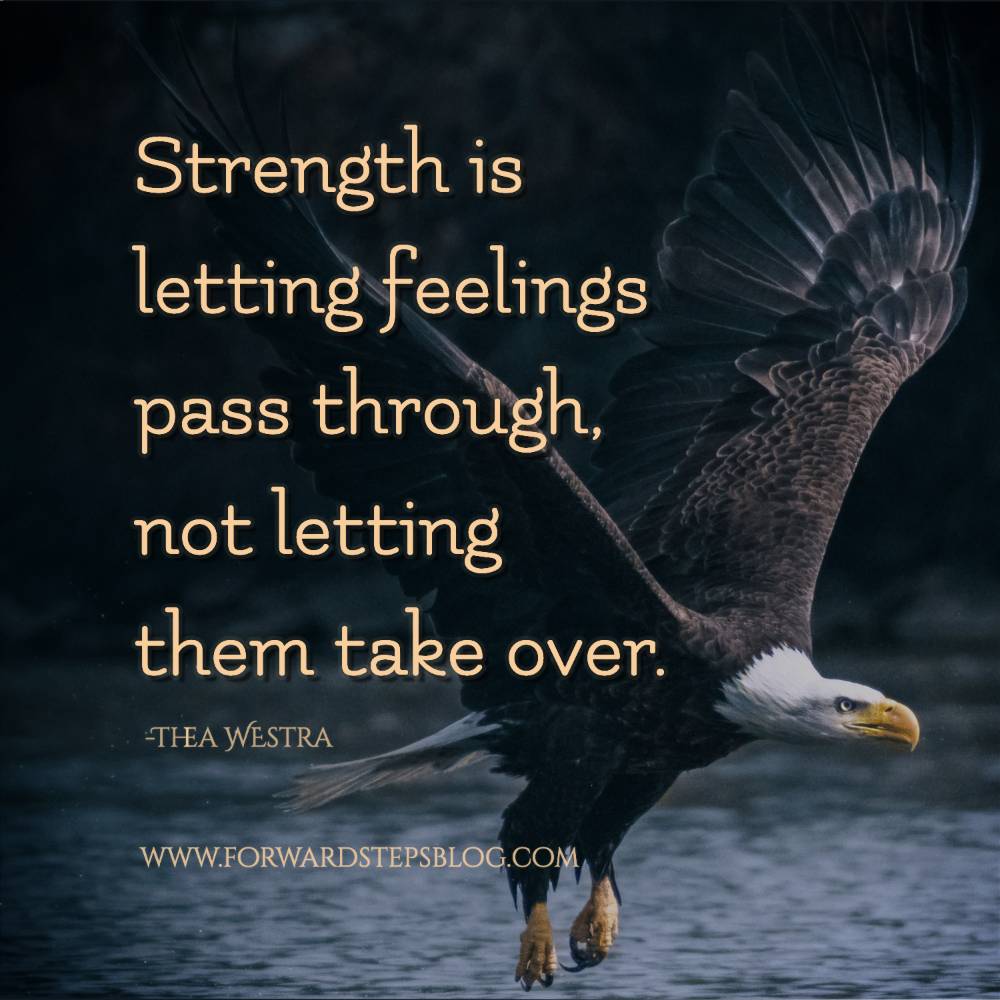
Strength is not holding your breath through every hard moment. It is letting feelings flow without drowning in them. The more you resist emotions, the more they stick around.
 A practical way to do this is to name what you are feeling. Label it without judgement: “I am sad”, “I am anxious”, “I am frustrated”. It sounds simple yet it stops your brain from spinning into a story about why you should or should not feel that way.
Give emotions a place to go. Talk to someone you trust. Write it out. Go for a long walk. Punch a pillow if you have to. Letting feelings move through your system keeps them from getting stuck and coming out sideways later.
Set Clear Boundaries
You cannot stay soft-hearted if you are constantly drained by others. Boundaries are what keep compassion sustainable. They let you care without being consumed.
Boundaries are not walls. They are doors that you control. They decide what gets let in and what stays out. Sometimes that means saying “no” to extra responsibilities. Other times it means stepping back from people who cross the line too often.
The strongest people are those who stay kind when life is cruel. Share on XEach time you hold a boundary, you reinforce that you matter. That message builds self-respect and strengthens your sense of agency.
Choose Your Inner Voice Wisely
If you spoke to your best friend the way you speak to yourself, would they still be your friend? Many people run on an inner monologue that is harsh, critical and relentless. It does not make them stronger. It wears them down.
 A strong mind does not need to bully itself. It gives itself a firm yet fair pep talk. Swap “I am pathetic” for “This is hard and I can handle it”. Swap “I never get it right” for “I am learning each time”. The words you repeat become the stories you live.
Build Recovery Into Your Life
Strength is built in cycles. You need effort and rest, challenge and recovery. Without recovery, you end up running on fumes and mistaking burnout for toughness.
Look at athletes. They train hard though they also rest hard. Recovery days are when muscles grow. Emotional strength works the same way. After a tough conversation or a big disappointment, give yourself time to recharge.
Emotional strength keeps you human in a world that numbs. Share on XRest is not a reward for finishing everything on your to-do list. It is part of the process. Sleep well, eat well, spend time with people who make you laugh, get outside. These are not luxuries. They are the fuel for resilience.
Practice Micro Acts of Courage
You do not have to face a life crisis to build strength. Small acts of courage compound over time. Speak up when something bothers you. Ask for help even if you fear looking weak. Try something new even if you are not sure you will be good at it.
Each time you step into discomfort, you teach your nervous system that it can survive hard things. Those little wins stack up, so when a big challenge arrives, you already have proof that you can handle more than you thought.
Stay Connected
Isolation makes hard times harder. When you pull away from others, you lose perspective. You forget that everyone struggles. You start to believe you are the only one feeling this way, which makes pain heavier.
 Staying connected does not mean sharing everything with everyone. It can be as simple as letting a friend know you are having a rough week. Being seen helps you stay grounded.
Connection also helps you avoid becoming hardened. It keeps you open to empathy, even when life is unfair. When you are in pain, kindness from someone else reminds you that softness still exists in the world.
Let Go of the Need to Win Every Battle
Not everything is worth fighting. Some arguments drain more energy than they are worth. Some hills are not worth dying on. Strength is knowing when to stand your ground and when to walk away.
Emotional strength is trusting yourself to handle whatever comes. Share on XLetting go is not weakness. It is a sign you value peace over point-scoring. It takes more courage to stay calm in the face of provocation than to launch into a fight every time you are challenged.
Walking away with dignity keeps you light. It leaves space for the things that really matter.
How Emotionally Strong Are You?
Emotional strength isn't about hiding your feelings, hardening your heart or pretending that difficult experiences don't affect you. It's about facing life's challenges while remaining compassionate, open and connected. Answer these eight questions to explore how you currently respond to emotional challenges and where you might strengthen your approach.
Your Result
Thank you for exploring your approach to emotional strength. Your answers suggest that the following quality may be an especially valuable part of your personal growth. Remember, emotional strength is something we can continue developing throughout life, and these results are a starting point for reflection rather than a fixed description of you.
The Resilient Spirit
Your answers suggest that resilience is an important part of how you approach life's challenges. You tend to look for ways to adapt, recover and keep moving forward rather than allowing setbacks to define your future.
Resilience doesn't mean that difficulties leave you unaffected. It means recognising when something is hard, allowing yourself to process it and gradually finding your way towards a constructive response. You can be strong and still need time, rest or support.
Continue strengthening this quality by focusing on what is within your control. When a challenge feels overwhelming, identify one small action that could make the situation more manageable. Progress often begins with a single practical step.
For more ideas about understanding others and developing emotional awareness, enjoy the free Empathy and Compassion ebook. It explores why these qualities matter and offers ways to increase them.
When you feel ready to explore another area of personal development, visit the Forward Steps Personal Growth Quizzes page and choose another self-reflection quiz.
The Compassionate Heart
Your answers suggest that kindness and understanding are central to your approach to emotional strength. You recognise that being strong doesn't require harshness, either towards yourself or towards other people.
Self-compassion can help you respond to mistakes and difficult feelings without adding unnecessary criticism. Compassion for others can also help you look beyond immediate reactions and consider the experiences that may influence their behaviour. It doesn't mean accepting hurtful treatment or abandoning healthy boundaries.
Practise bringing the same patience to yourself that you would offer someone you care about. When things go wrong, ask yourself what a kind and constructive response might look like. This can help you remain both caring and capable.
The free Empathy and Compassion ebook is a natural next step. It explains the value of these qualities and shares ideas to help you develop greater empathy and compassion in everyday life.
You can continue your self-discovery with another topic from the Forward Steps Personal Growth Quizzes page. Each quiz offers another opportunity to reflect on your strengths and possibilities.
The Open-Hearted Courage
Your answers suggest that you value the courage to face life's challenges without shutting down emotionally. You recognise that strength isn't about avoiding difficult feelings or pretending to be unaffected. It is about remaining willing to engage with life even when things feel uncomfortable.
This kind of courage allows you to be honest about what you experience, take responsibility when necessary and stay open to change. It also gives you room to be vulnerable without seeing vulnerability as weakness.
Keep building this quality by taking small steps towards situations you might otherwise avoid. You don't have to feel completely confident before speaking honestly, setting a boundary or trying something new. Courage can grow through action.
To explore how empathy and compassion can support this open-hearted approach, download the free Empathy and Compassion ebook. It includes insights and practical ideas for developing these valuable qualities.
For another opportunity to reflect on your personal growth, explore the Forward Steps Personal Growth Quizzes page and find a new area to investigate.
The Connected Strength
Your answers suggest that connection and supportive relationships are important sources of emotional strength for you. You recognise that facing life's challenges doesn't have to mean facing them alone, and that listening, understanding and being present can make a meaningful difference.
Emotional strength can grow through healthy relationships in which people feel heard and respected. Offering support to others while allowing yourself to receive support can help create a stronger sense of belonging and shared resilience.
Continue nurturing this quality by making time for meaningful conversations. Listen with curiosity, express your own feelings honestly and remember that genuine connection doesn't require you to agree with everyone or solve every problem.
You may find the free Empathy and Compassion ebook especially useful. It explores how understanding others and developing compassion can improve relationships and support emotional wellbeing.
Keep exploring what makes you stronger by trying another quiz on the Forward Steps Personal Growth Quizzes page.
Explore This Idea Further
Optional prompts to help you make the ideas your own.
I use AI as a thinking companion, not as a replacement for my own thinking. These prompts are simply another way to explore the ideas in this article and see how they might apply to your own life.
You don’t have to use AI to benefit from them. You can copy a prompt into a notebook, write about it in your journal, talk it through with someone you trust or simply sit with the question and see what comes up for you. If you do use ChatGPT or another AI tool, treat its responses as a starting point for your own thinking.
You remain the person who decides what is useful and right for your life.
How to use these prompts: Choose the one that appeals to you, copy the complete prompt and paste it into ChatGPT or another AI tool. You can answer its questions and continue the conversation as you go.
1. Apply This To My Life
Use this prompt when you want to understand how you can become emotionally stronger while remaining caring, compassionate and open-hearted.
How can I become emotionally stronger without becoming less caring, compassionate or open-hearted?
Use the Forward Steps article “Build Emotional Strength With An Open Heart” as your primary source. Help me explore how its ideas could apply to my own life, especially when I face difficult emotions, challenging relationships, disappointments or situations that test my patience and resilience.
Ask me a few relevant questions about what I am currently experiencing and how I tend to respond when life becomes difficult. Then help me identify which ideas from the article could make the greatest difference to me.
Consider how I might recognise my emotional baseline, allow feelings to move through rather than suppressing them, establish healthy boundaries, use a kinder inner voice and make room for recovery. Help me find ways to stay strong while remaining compassionate and connected to others.
Offer thoughtful, practical guidance that fits my circumstances. Build on my answers through a natural conversation rather than giving me a long list of general advice.
2. Reflect More Deeply
Use this prompt when you want to explore whether protecting yourself from emotional pain might also be limiting your capacity for love, joy and connection.
Am I sometimes protecting myself from emotional pain in ways that also prevent me from fully experiencing love, joy and connection?
Use the Forward Steps article “Build Emotional Strength With An Open Heart” as your primary source. Help me explore the difference between genuine emotional strength and becoming emotionally hardened or shutting down to avoid being hurt.
Encourage me to reflect on how I respond to uncomfortable feelings, whether I allow emotions to move through me or resist them, how I speak to myself during difficult moments and whether my boundaries help me care without becoming overwhelmed.
Help me consider where I might need more courage, greater self-compassion, better recovery time or stronger connections with others. Also explore the difference between standing my ground and recognising when an argument or conflict is not worth pursuing.
Ask thoughtful questions one at a time and respond to my answers with useful observations and further questions. Help me notice patterns or possibilities I may have overlooked, keeping the reflection grounded in the article’s message that emotional strength and an open heart can exist together.
3. Turn It Into Action
Use this prompt when you want to make a small, practical change that builds emotional resilience without closing your heart.
What is one small change I could make today that would help me become more emotionally resilient while keeping my heart open?
Use the Forward Steps article “Build Emotional Strength With An Open Heart” as your primary source. Help me choose one or two ideas from the article that would be most useful in my current circumstances.
Ask me a few questions about where I would like to feel stronger or respond differently. Then help me turn the relevant ideas into practical steps. These might involve recognising my emotional baseline, naming and expressing feelings without judgement, setting a boundary, changing my inner self-talk, allowing time to recover, reaching out to someone I trust or taking a small act of courage.
Help me create a simple, realistic plan with no more than a few actions I can begin using in everyday life. Explain how I might recognise whether those actions are helping me become more resilient without losing my compassion, kindness or capacity for connection.
Keep the plan manageable and encouraging. Help me focus on practising one step at a time, learning from experience and making progress rather than expecting perfection.
Tip: You don’t have to use all three. Start with the one that feels most useful to you right now.

Hi, I'm Thea Westra at Forward Steps (forwardstepsblog.com)
CLICK HERE To Trigger More Of Those Forward Steps 'Aha' Light Bulb Moments!